Depression Treatment
Depression is not sadness, weakness, or a personal failing; it is a medical condition that profoundly affects brain chemistry, mood, and daily functioning. With the right care, most people with depression achieve full recovery.
Overview
What is Depression?
Depression is more than simply feeling sad or having a difficult day. It is a common but serious mental health condition that affects how you think, feel, and function in everyday life. Also known as Major Depressive Disorder (MDD), depression can lead to persistent feelings of sadness, hopelessness, irritability, and a loss of interest in activities that once brought joy. It can affect relationships, work performance, physical health, and overall quality of life.
At Eminence Psychiatric and Wellness Center, we understand that depression looks different for every individual. Whether your symptoms are mild, moderate, or severe, our compassionate providers are committed to helping you regain hope, restore emotional balance, and improve your overall well-being. We provide personalized, evidence-based treatment in a safe, supportive, and judgment-free environment where you are treated with dignity and respect.


Causes & Risk Factors
Common Symptoms of Depression
- Persistent sadness or low mood
- Loss of interest in activities once enjoyed
- Feelings of hopelessness or emptiness
- Fatigue or low energy
- Difficulty concentrating or making decisions
- Changes in appetite or weight
- Sleeping too much or difficulty sleeping
- Irritability or frustration
- Feelings of guilt or worthlessness
- Restlessness or slowed movements
- Thoughts of death or suicide
How Is Depression Treated?
Effective treatment begins with understanding the unique factors contributing to your symptoms. During your comprehensive psychiatric evaluation, we assess your medical history, emotional health, lifestyle, and personal goals to develop an individualized treatment plan.
Treatment options may include:
- Comprehensive psychiatric evaluations
- Medication management
- Brief supportive psychotherapy
- Cognitive Behavioral Therapy (CBT)-based interventions
- Lifestyle and wellness recommendations
- Stress management and coping skills
- Sleep optimization strategies
- Coordination of care with your therapist or primary care provider when appropriate
- Secure telepsychiatry appointments for added convenience
At Eminence Psychiatric and Wellness Center, we believe that treatment should address the whole person, not just the symptoms. Our goal is to help you experience lasting improvement while supporting your emotional, physical, and, for those who desire it, spiritual well-being.

Causes of Depression
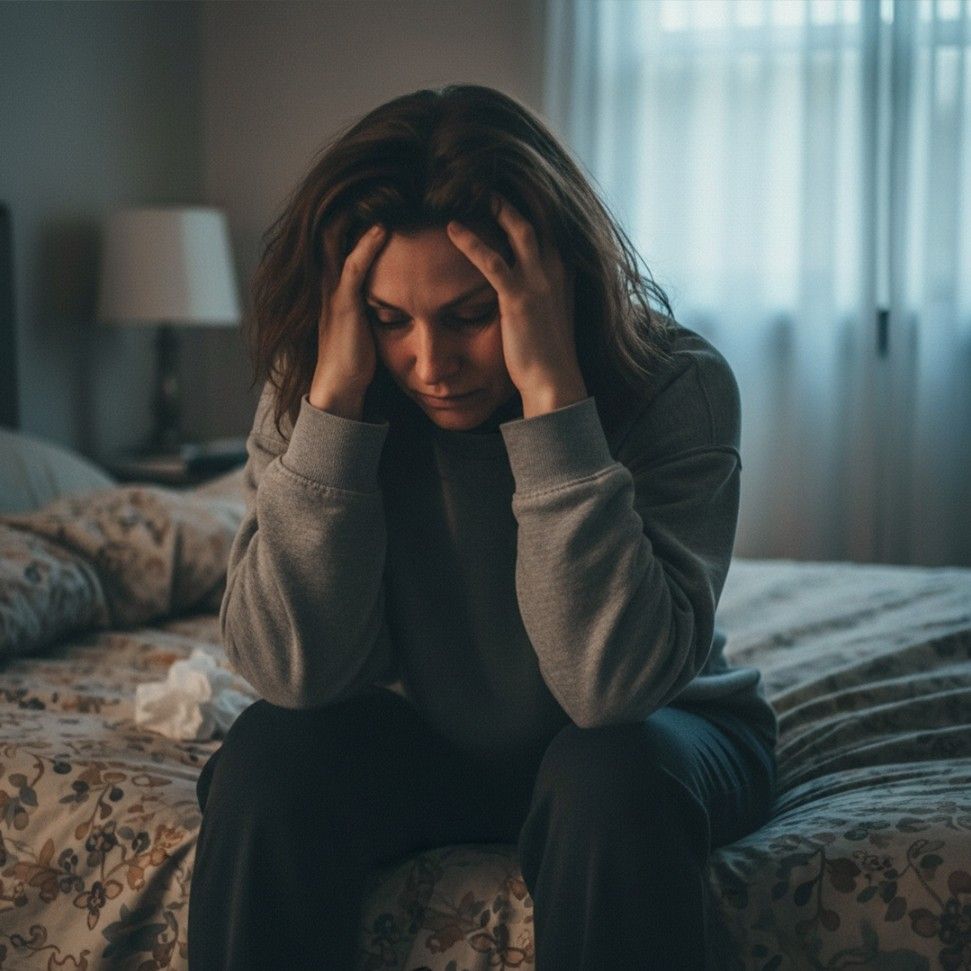
- Family history of depression or other mental health disorders
- Brain chemistry and neurotransmitter imbalances
- Hormonal changes
- Chronic stress
- Traumatic life experiences
- Grief or significant loss
- Chronic medical conditions
- Certain medications
- Substance use
- Social isolation
What Are the Risk Factors for Depression?
Several factors can increase the likelihood of developing depression, including
- Family history of depression
- Previous episodes of depression
- Anxiety disorders
- Chronic medical illnesses
- Persistent pain
- Hormonal changes, including pregnancy and menopause
- History of trauma, neglect, or abuse
- Major life transitions or stressful events
- Financial or relationship difficulties
- Alcohol or drug misuse
- Poor sleep habits
- Limited social support
- Sedentary lifestyle
- Low self-esteem or chronic negative thinking
Recognizing these risk factors early can lead to earlier diagnosis and more effective treatment.
Frequently Asked Questions
What is the difference between depression and sadness?
Everyone experiences sadness from time to time, especially after disappointment or loss. Sadness is a normal emotional response that typically improves with time.
Depression is different. It is a medical condition in which symptoms persist for at least two weeks and significantly interfere with daily life, relationships, work, school, and physical health. Depression often requires professional evaluation and treatment to improve.
Can children and teenagers develop depression?
Yes. Depression can affect children, adolescents, and adults. In younger individuals, symptoms may appear as irritability, declining academic performance, social withdrawal, behavioral changes, or frequent physical complaints rather than sadness alone. Early diagnosis and treatment can greatly improve long-term outcomes.
What happens if depression is left untreated?
Without treatment, depression may worsen over time and increase the risk of:
- Declining physical health
- Relationship difficulties
- Poor work or academic performance
- Substance misuse
- Anxiety disorders
- Self-harm or suicidal thoughts
- Reduced quality of life
Seeking help early often leads to better outcomes and a faster recovery.
Can depression back after treatment?
Depression can recur, particularly if untreated or undertreated. That is why we develop a robust relapse prevention plan, including early warning signs and a clear action plan.
Mental Health Emergency?
Call 911 or go to your nearest emergency room. For crisis support, call the National Suicide Prevention Lifeline at 988.